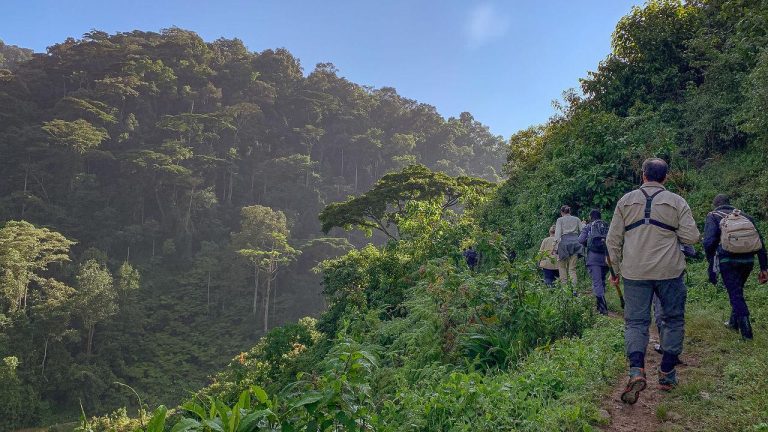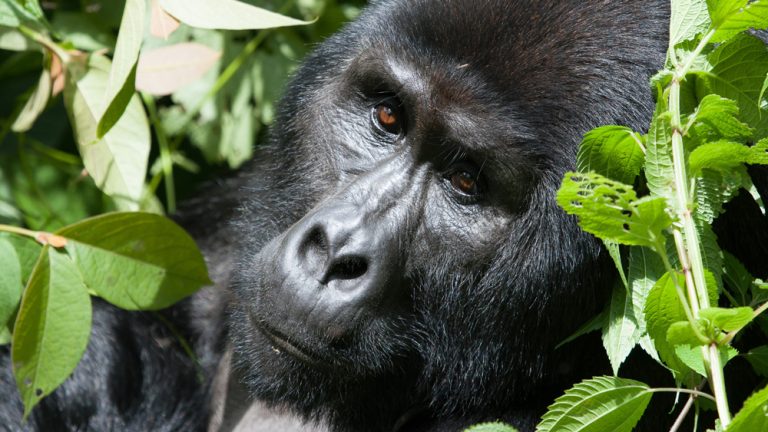
You’ve secured your permit and booked your flights. and told your friends and family about your upcoming gorilla trekking adventure in Uganda.
Now you’re standing in front of an open suitcase asking the only question that matters:
What should I pack for gorilla trekking?
Get this part right, and you’ll enjoy every step of the experience. Get it wrong, and you could spend your day battling blisters, rain, mud, and discomfort instead of focusing on one of the most extraordinary wildlife encounters on Earth.
This guide covers everything you need to pack for gorilla trekking in Bwindi Impenetrable Forest. It’s based on years of experience helping guests prepare for their trek and ensuring they arrive ready for the adventure ahead. Read more
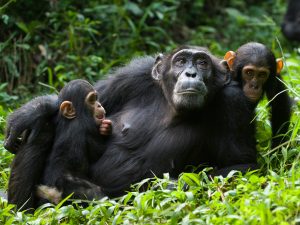
The Golden Rule Before You Start Packing
Pack light, pack smart, and pack for the trail, not the airport.
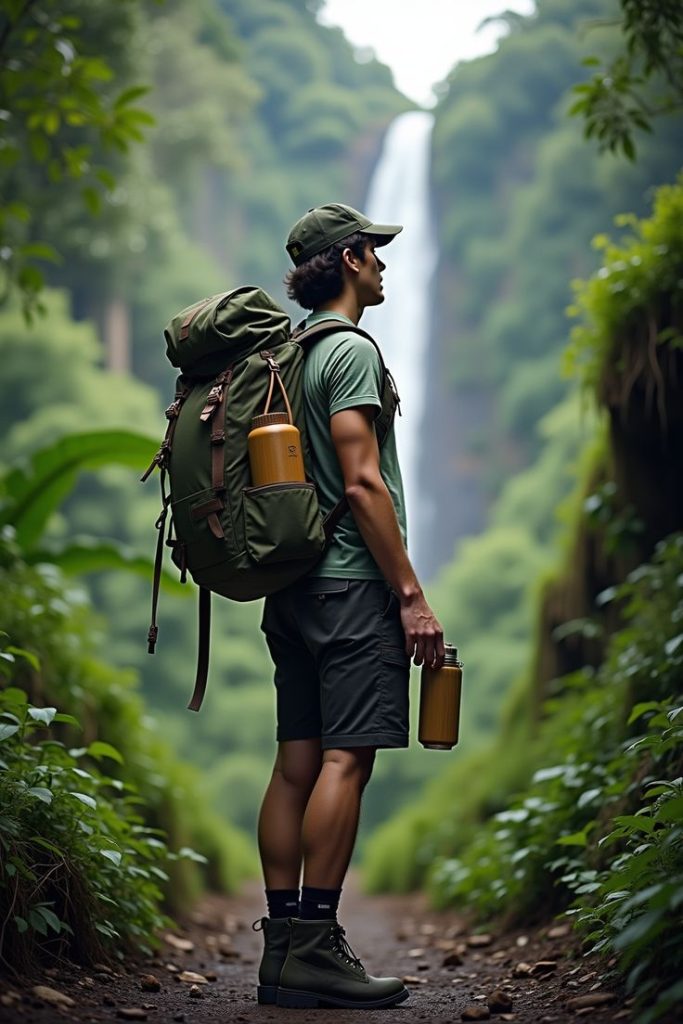
You’ll carry everything you bring into the forest, so every item in your daypack should serve a purpose. While porters are available and highly recommended, a lighter bag will always make your trek more comfortable.
Leave your large suitcase safely at the lodge and carry only what you need for the day.
Footwear: The Most Important Item You’ll Pack
If you invest in one thing before your trek, make it your hiking boots.
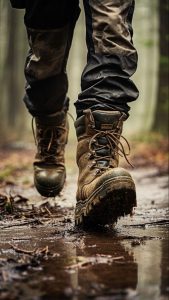
Choose waterproof hiking boots with strong ankle support. Avoid sneakers, trail runners, casual outdoor shoes, or any footwear that isn’t designed for rugged terrain.
Bwindi’s forest trails challenge even experienced hikers. You’ll encounter muddy paths, steep slopes, exposed tree roots, and slippery descents. Good hiking boots provide stability, protect your ankles, and help you maintain confidence on difficult terrain.
Most importantly, break your boots in before your trip.
Wear them on walks, errands, and practice hikes for at least two weeks before traveling. Comfortable boots can make the difference between an enjoyable trek and a painful one.
Pack for your feet:
- Waterproof hiking boots with ankle support
- Two or three pairs of thick moisture-wicking hiking socks
Clothing: Dress for Changing Conditions
The weather in Bwindi changes quickly.
You may begin your morning wrapped in a fleece while cool mist hangs over the hills. An hour later, you’ll warm up while hiking through the forest. Then rain may arrive without warning before the sunshine returns.
Dress in layers so you can adapt throughout the day.
Wear this into the forest:
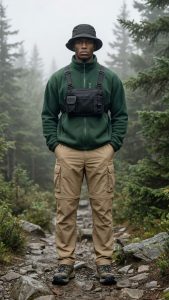
- Long-sleeved shirt in neutral colours such as olive, brown, grey, or dark green
- Lightweight trekking trousers
- Moisture-wicking base layer if you get cold easily
- Fleece or light mid-layer for the morning briefing
- Waterproof rain jacket or compact poncho
- Gardening gloves for gripping vegetation on steep sections
A note about colours
Wear muted, natural tones that blend into the forest environment.
Choose colors like
- Khaki
- Olive green
- Brown
- Grey
- Dark green
Avoid bright colors and camouflage clothing, which is restricted in Uganda.
For relaxing at the lodge
Pack:
- A warm fleece or light jacket
- Comfortable trousers
- Casual tops
- A light cardigan or wrap
Evenings in Bwindi can be surprisingly cool.
Your Daypack: Pack Only the Essentials
Keep your daypack practical and lightweight.
Aim for a total weight of no more than five to six kilograms, including water.
Every item should earn its place in your bag.
Water and snacks
Carry:
- At least 1.5–2 litres of water
- Trail mix
- Energy bars
- Nuts
- Dried fruit
- A banana or other easy snack
- A packed lunch if your trek may take several hours
Your lodge can prepare a packed lunch for you.
Rain protection
Protect your valuables by packing:
- A dry bag
- Waterproof zip-lock bags
- Your rain jacket if you’re not already wearing it
Sun and insect protection
Bring:
- High-SPF sunscreen
- Insect repellent
- SPF lip balm
Apply sunscreen and insect repellent before entering the forest.
Basic first aid
Pack:
- Blister plasters
- Antihistamine tablets
- Prescription medication
- Basic pain relief
Camera and technology
Capture the experience by bringing:
- A fully charged camera or smartphone
- Spare memory cards
- A lens cloth for humidity and condensation
Remember:
- Flash photography is prohibited
- Selfie sticks are not allowed
- Put your phone on silent before entering the forest
Don’t forget a walking stick
Most briefing stations and lodges provide walking sticks.
Take one.
You’ll appreciate the extra support on steep climbs and slippery descents.
What Not to Bring Into the Forest
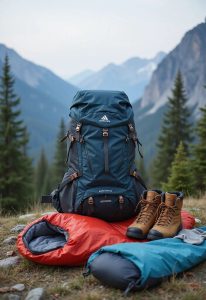
Packing wisely also means knowing what to leave behind.
Leave unnecessary items at the lodge and focus on carrying only what you need.
Avoid bringing:
- Strong-smelling food
- Large camera bags
- Valuable items that could be damaged by rain or mud
- Unsealed plastic packaging
Do not bring:
- Drones
- Alcohol
- Excess luggage
Traveling light makes the trek easier and helps protect the environment.
The Documents You Must Carry
Keep these items in a waterproof pouch inside your daypack:
- Gorilla trekking permit
- Passport copy
- Travel insurance details
- Emergency contact information
- Lodge booking confirmation
Your permit is essential.
Without it, you cannot join the trek.
Packing for the Season
Dry Season (June–August and December–February)
The dry season usually brings firmer trails, clearer skies, and less mud.
Pack lighter layers, and always carry a rain jacket. Bwindi creates its own weather, and showers can appear unexpectedly.
Wet Season (March–May and September–November)
The wet season delivers muddy trails, frequent rainfall, and slippery conditions.
This is when quality waterproof gear truly proves its value.
Pack:
- Waterproof hiking boots
- Reliable rain jacket
- Extra trekking socks
- Gaiters if available
Leeches may occasionally appear during this season, but they are harmless.
Regardless of when you visit, your essential trekking gear remains the same.
Prepare the Night Before Your Trek
Many travellers overlook this simple step.
The evening before your trek:
- Lay out everything you’ll wear
- Pack your daypack completely
- Charge your camera and power bank
- Fill your water bottles
- Confirm porter arrangements
- Set two alarms
Briefings usually begin at 7:30 AM, and vehicles leave on time.
Missing your briefing could mean missing your trek.
Pack One Essential Thing You Can’t Buy: Patience
Patience Makes Every Gorilla Trek Worthwhile
You can’t pack patience in your backpack, yet every successful gorilla trek in Uganda requires it.
Mountain gorillas don’t follow a schedule. Instead, they move freely through the rainforest, and your ranger follows fresh signs to locate the family each morning. As a result, the gorillas may travel long distances before your group reaches them.
Because of this, every trek unfolds differently. Sometimes, your guide finds the gorillas within 30 minutes. However, other treks require several hours of hiking through dense forest before you finally meet them.
While you hike, enjoy every moment of the journey. Listen to birds singing overhead, watch the mist drift through the towering trees, and take in the peaceful silence that fills the forest. Meanwhile, your experienced guide continues tracking the gorilla family.
Then, everything changes.
You step through a curtain of vegetation and come face-to-face with a magnificent mountain gorilla. The silverback watches quietly while the rest of the family feeds, plays, or rests only a few meters away.
In that unforgettable moment, every muddy trail, steep climb, and early morning wake-up call becomes worthwhile. More importantly, you realize that the journey itself prepared you for this extraordinary encounter.
Ultimately, gorilla trekking in Uganda offers much more than a wildlife adventure. It rewards your patience with one of the world’s most unforgettable and life-changing wildlife experiences.
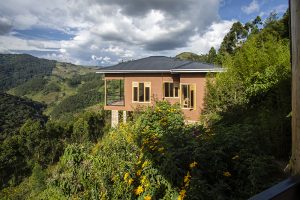
Stay Close to the Adventure at Burunga Gorilla Lodge
When you stay at Burunga Gorilla Lodge, you spend less time worrying about logistics and more time preparing for an unforgettable gorilla trekking experience.
Located just 15 minutes from the Rushaga briefing point, our lodge offers one of the most convenient bases for gorilla trekking in Bwindi.
Our team can help you with:
- experienced porters
- packed lunches for long treks
- Advise you on the trail conditions before your trek
- Provide laundry services so you can pack lighter
Need help preparing for your visit?
Contact our team before you travel. We’ll make sure you arrive fully prepared for one of Africa’s most remarkable wildlife experiences.
FAQ
What shoes should I wear for gorilla trekking?
Wear waterproof hiking boots with ankle support. Break them in before your trip to avoid blisters.
What colors should I wear for gorilla trekking?
Choose neutral colors such as khaki, olive green, brown, grey, or dark green. Avoid bright colors and camouflage patterns.
Do I need a rain jacket for gorilla trekking?
Yes. Rain can fall at any time in Bwindi, even during the dry season.
Can I bring a camera on gorilla trekking?
Absolutely. Cameras and smartphones are allowed, but flash photography and drones are prohibited.
How much water should I carry?
Carry 1.5-2 liters of water to stay hydrated throughout the trek.
Should I hire a porter?
Yes. Hiring a porter makes the trek easier, supports the local community, and allows you to focus on the experience rather than carrying your gear.
Ready for your gorilla trekking adventure?
Book your stay at Burunga Gorilla Lodge and enjoy expert guidance, comfortable accommodation, and easy access to the Rushaga gorilla trekking sector. Your unforgettable encounter with Uganda’s mountain gorillas starts here. 🦍🌿